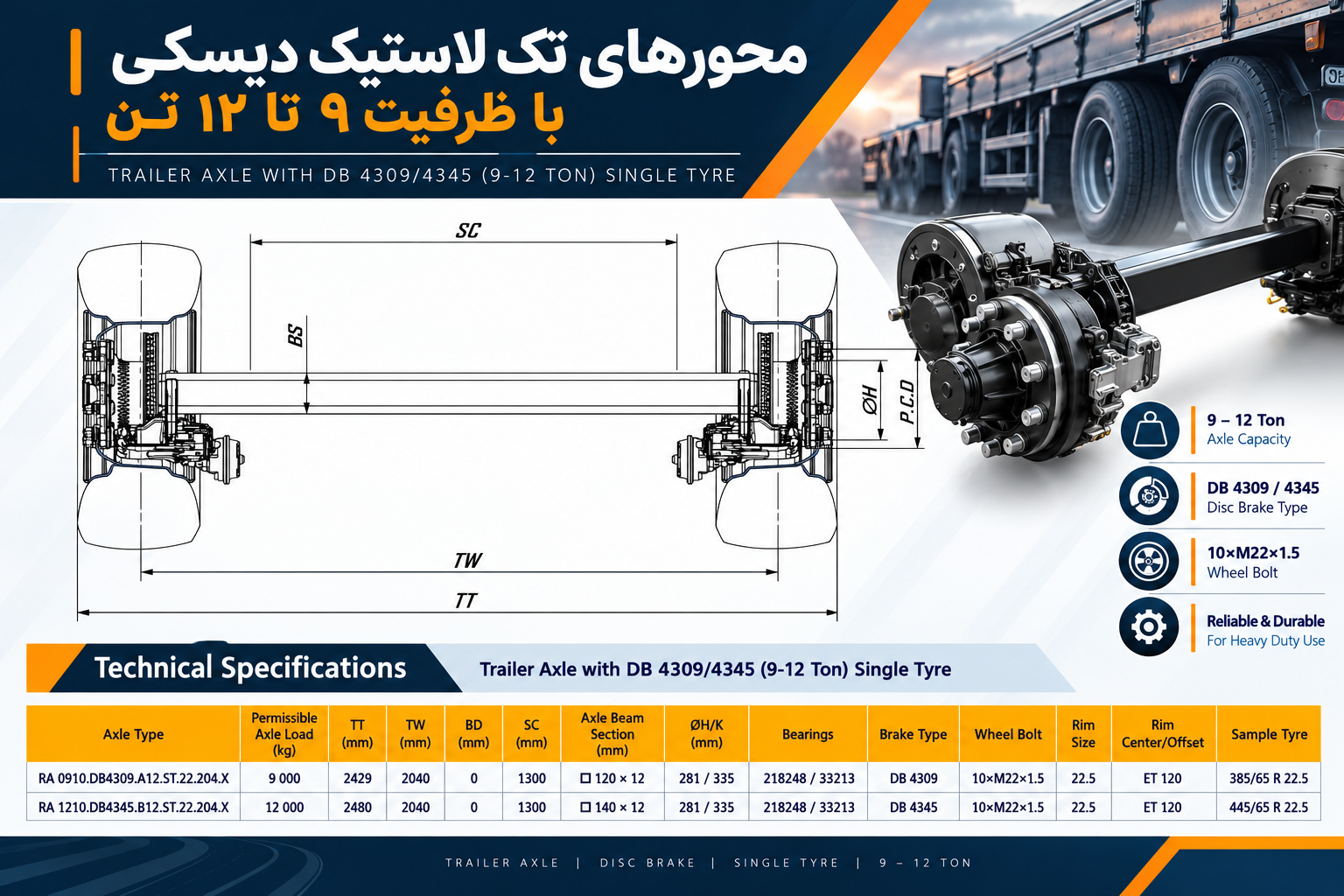
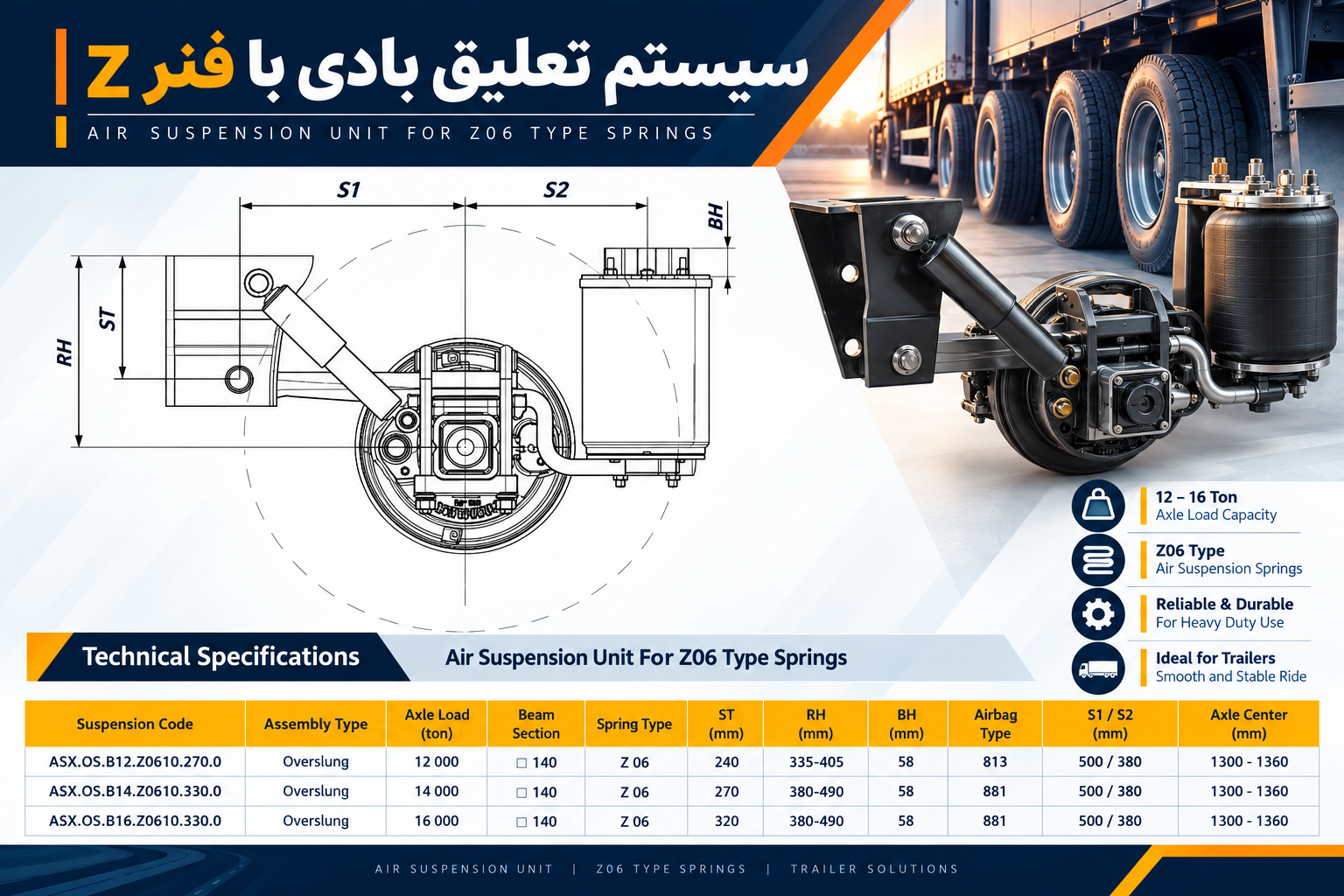
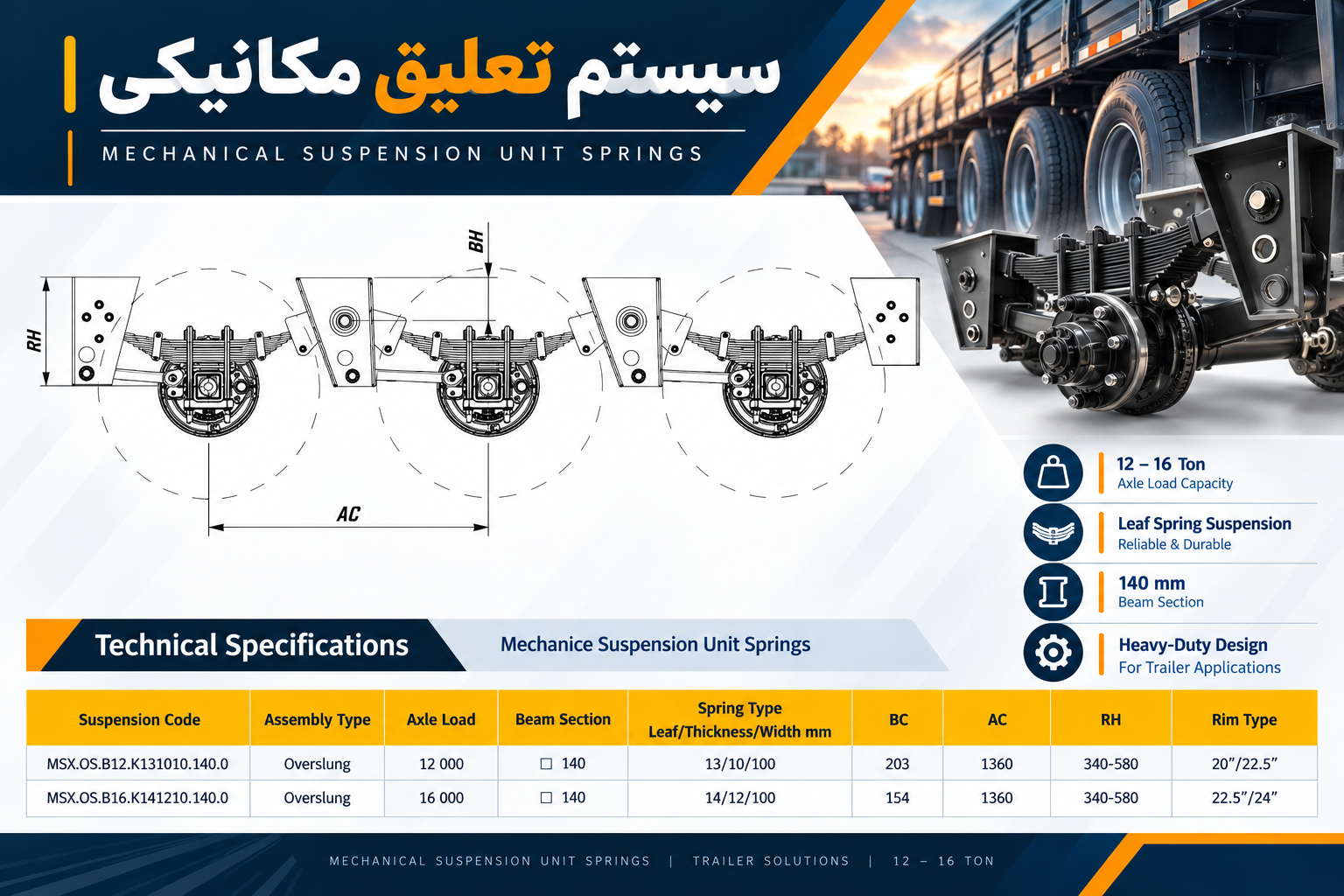
A New Step Toward More Efficient Trailer Technology
On September 1, 2026, the Dutch vehicle authority RDW highlighted its new framework for approving heavy trailers equipped with dynamo or regenerative axles. The framework allows manufacturers to include these technologies in European Whole Vehicle Type Approvals for trailer categories O3 and O4.
Unlike conventional axles, a dynamo axle can generate electricity from the rotation of trailer wheels while the vehicle is moving. The recovered energy can be stored in a battery and used to power onboard equipment, including electrically driven refrigeration systems.
Potential Benefits for Transport Operators
This technology may help reduce dependence on separate diesel-powered equipment, improve energy efficiency, and lower emissions in suitable applications. It also creates opportunities for trailer manufacturers to explore new electrical architectures and energy-management solutions.
The approval framework establishes additional technical and administrative requirements, including electrical safety and braking considerations. These requirements are important to ensuring that new technologies meet the necessary safety and performance standards.
Looking Ahead
Energy recovery is one example of how axle engineering is evolving beyond traditional mechanical functions. As regulatory frameworks develop and technology matures, manufacturers will have new opportunities to improve trailer efficiency while maintaining safety and reliability.
Source: RDW — Netherlands Vehicle Authority
https://type-approval.rdw.nl/news/2026/guideline-no-031-for-e-axles-on-heavy-trailers
## A New Solution for Heavier Trailer Axles
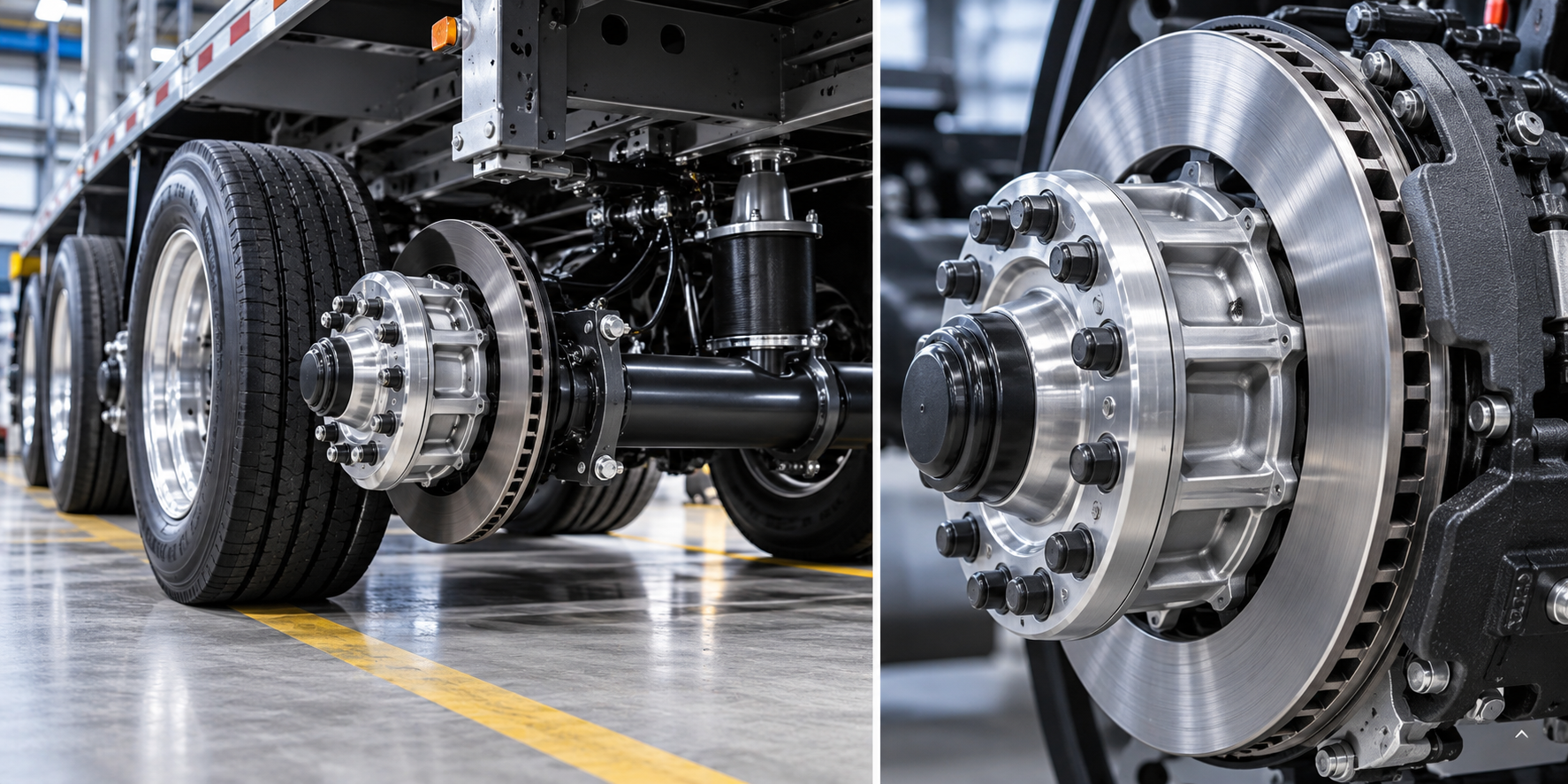
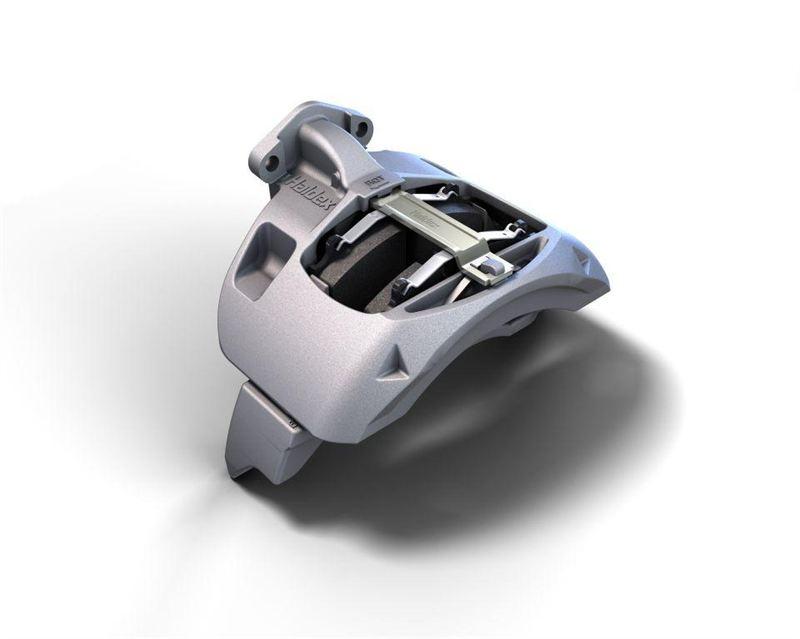
On September 9, 2026, Haldex announced the expansion of its ModulT single-tappet disc brake range to cover trailer axles rated for up to 11 tonnes. The development offers trailer manufacturers an alternative to adapting conventional truck brakes for heavier trailer applications.
For many years, 9-tonne axle loads represented the upper limit for high-volume disc brakes specifically designed for trailers. The expanded ModulT range introduces 19-inch and 22-inch configurations for the higher load category.
## Lightweight Design and Easier Maintenance
The ModulT's single-tappet mechanism allows the brake caliper to be designed around the specific braking forces and loads required. This approach supports a more compact and lightweight assembly while giving engineers greater flexibility in component design.
The system also shares selected spare parts with Haldex's existing LT range. This modular approach can simplify servicing and help reduce maintenance costs for trailer operators.
## Extensive Testing for Reliable Braking
Developing a braking system for heavier axle loads requires careful evaluation of friction materials, thermal performance, wear, and durability. Haldex reports that the development program included laboratory assessments, thermal fatigue tests, performance and wear testing, and real-world validation under demanding conditions in the Alps.
During testing, brake disc temperatures exceeded 900°C in extreme downhill conditions. These tests were designed to assess the system's ability to maintain dependable braking performance under severe thermal stress.
## What This Means for Trailer Manufacturers
The expanded ModulT range reflects the continuing development of braking technology for heavy commercial trailers. By combining a purpose-designed architecture with application-specific engineering and service-friendly components, Haldex aims to address the evolving needs of trailer manufacturers and fleet operators.
The development also highlights the importance of validating braking performance, component compatibility, and long-term reliability when designing axles for higher load capacities.
**Source:** Haldex Official Newsroom
https://www.haldex.com/en/europe/haldexnewsroom/More-stories-to-read/2026/modult-for-trucks/
## A New Generation of Trailer Wheel-End Technology
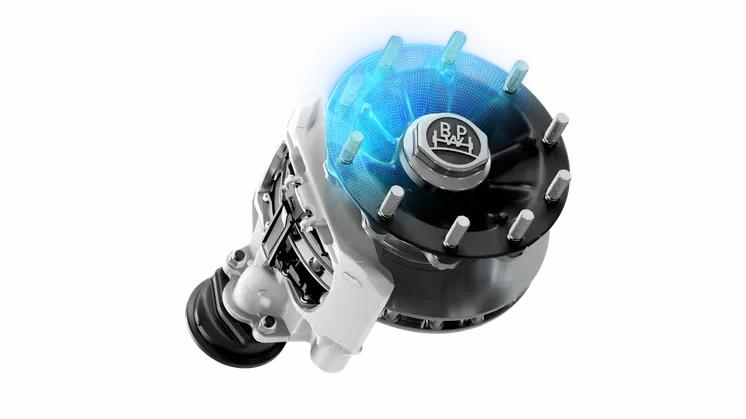
On September 14, 2026, BPW unveiled its Wheelend ECO Pro at IAA TRANSPORTATION 2026 in Hanover, Germany. Developed for the European 9-tonne trailer axle segment with offset 120 disc brakes, the new design focuses on reducing weight while maintaining strength, durability, and serviceability.
The wheel-end is a critical component of a trailer's running gear. It transfers loads to the road and influences payload capacity, rolling resistance, maintenance requirements, and overall operating costs.
## 20 kg Less Weight per Axle
According to BPW, the Wheelend ECO Pro reduces axle weight by 20 kilograms. On a three-axle trailer, this represents a potential weight saving of 60 kilograms, creating additional capacity for payload.
When combined with BPW's Airlight II air suspension and its lightweight LightTube trailing arm, the company reports a saving of 34 kilograms per axle, or more than 100 kilograms across a three-axle vehicle.
These reductions demonstrate how improvements to individual components can contribute to more efficient transport operations.
## Durability and Easier Maintenance
BPW has redesigned the wheel hub, bearing arrangement, axle nut concept, and interface between the wheel-end and axle. The new hub and brake disc feature a nature-inspired bionic design intended to distribute material along the component's load paths, supporting structural stability with less material.
The design also retains BPW's service-friendly ECO principle. An integrated pulling device allows the wheel-end to be removed quickly through the central axle nut, without requiring additional tools.
BPW offers an eight-year warranty with no mileage limit for the new Wheelend ECO Pro, subject to registration and the applicable warranty conditions.
## Lower Rolling Resistance and Operating Costs
The redesigned bearing system aims to minimise friction and reduce rolling resistance. Lower rolling resistance can contribute to reduced fuel consumption, helping operators manage the operating costs of commercial transport vehicles.
However, actual savings depend on vehicle configuration, load, route, tyres, and operating conditions.
## Production Outlook
BPW announced the Wheelend ECO Pro at IAA TRANSPORTATION 2026, with small-scale production planned for 2027 and large-scale series production planned for 2030.
The development highlights how component-level engineering can improve payload potential, maintenance efficiency, and operating performance while preserving the durability required in heavy-duty trailer applications.
**Source:** BPW Official Newsroom
https://newsroom-en.bpw.de/pressreleases/iaa-2026-bpw-presents-the-next-generation-of-the-wheel-end-for-europes-9t-trailer-segment-3465242
## One Axle Platform, Multiple Configurations
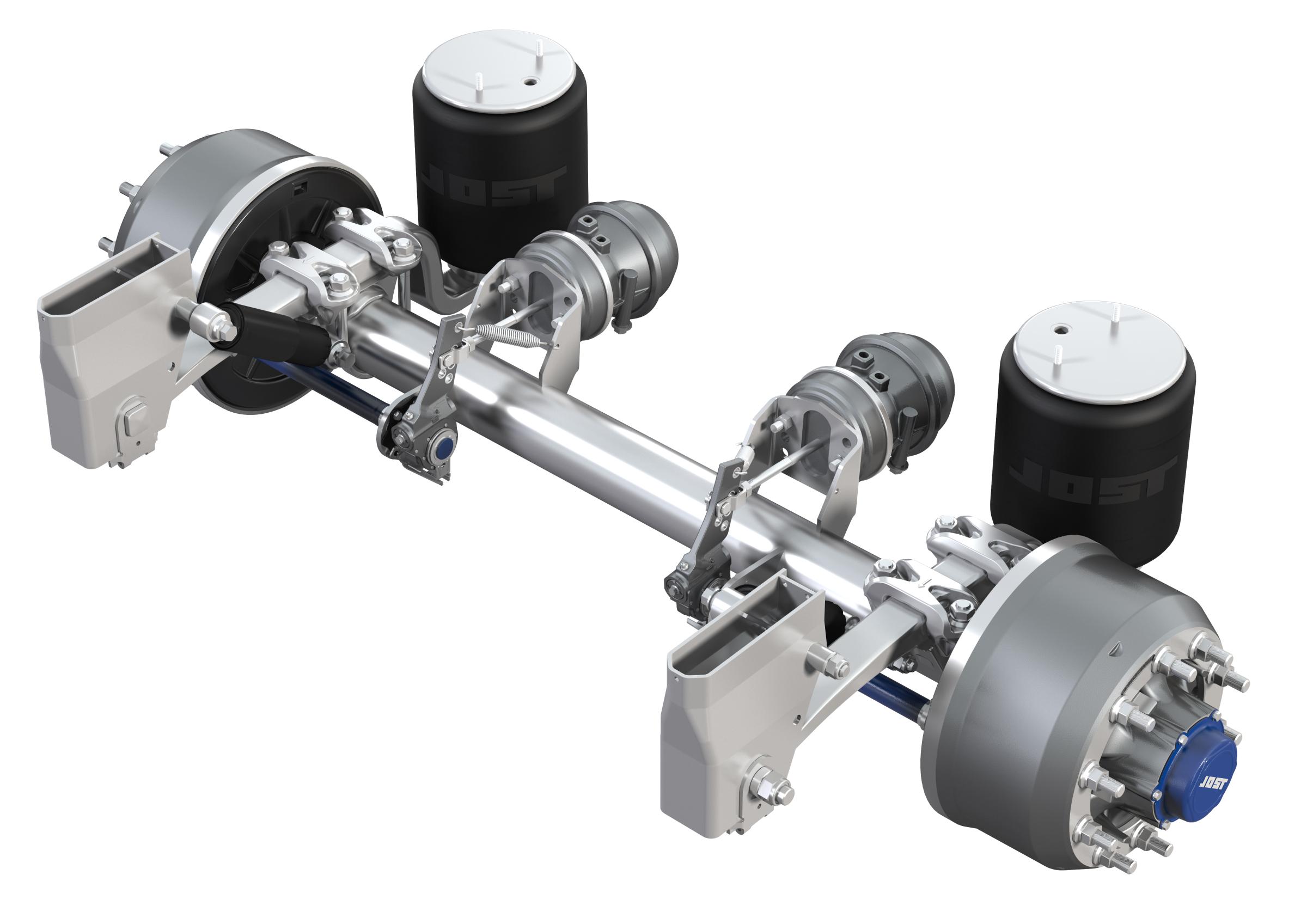
On September 3, 2026, JOST presented its latest commercial vehicle technologies ahead of IAA TRANSPORTATION 2026 in Hanover, Germany. Among the developments highlighted was the DCA One4All axle platform, designed to accommodate both disc-brake and drum-brake variants within a shared architecture.
By bringing different braking configurations together under a common platform, JOST aims to give trailer manufacturers more flexibility when developing vehicles for different operating requirements.
## Simplifying Production and Maintenance
Modular engineering can help manufacturers manage product variations without having to develop entirely separate platforms for every configuration. A shared architecture can also create opportunities to streamline production planning, simplify component management, and improve the organisation of spare parts.
For fleet operators, these advantages may support more efficient maintenance planning and parts inventory management. The practical benefits will depend on vehicle specifications, component compatibility, and the maintenance requirements of each application.
## Beyond Axle Technology
JOST's